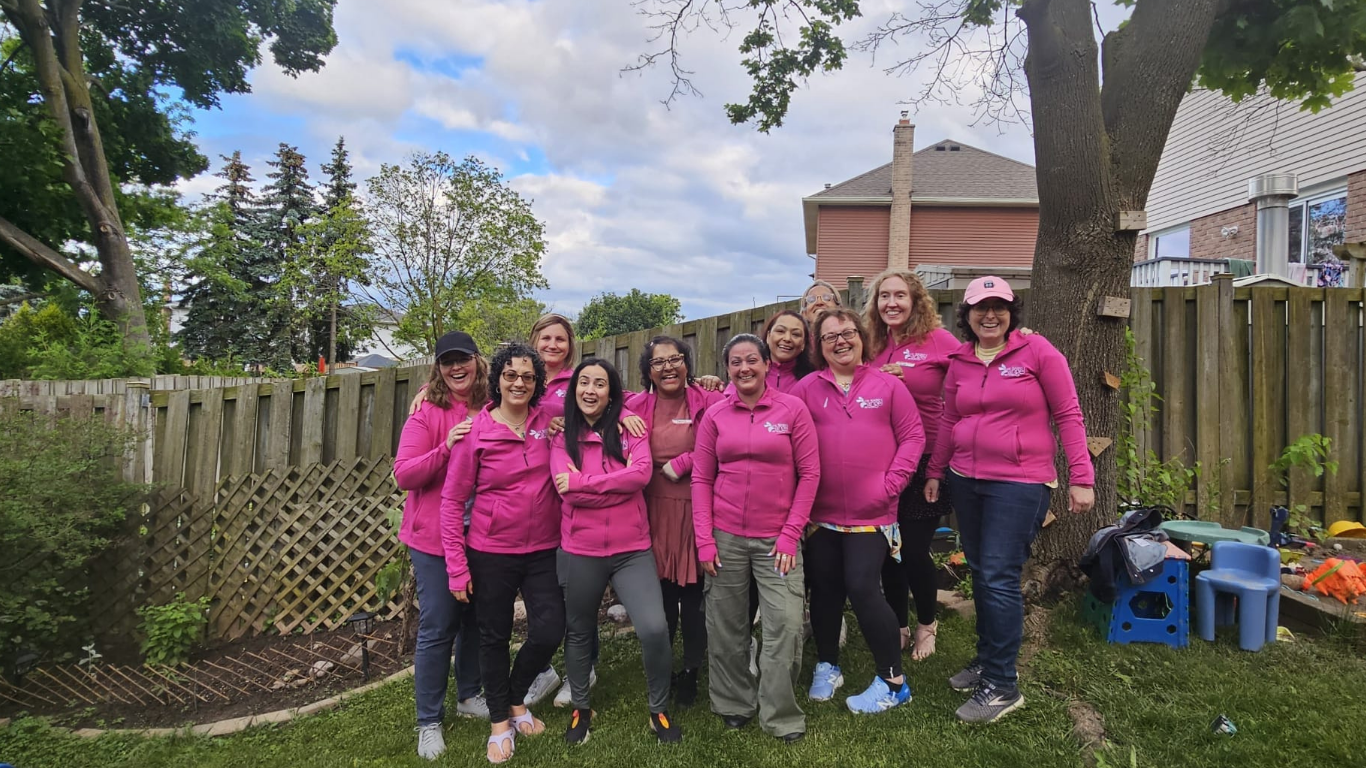
Free cancer support groups in Ontario for parents, caregivers, and children
A cancer diagnosis does not just affect one person. It affects the whole family. And one of the hardest parts is feeling like no one around you truly gets it, even when they love you deeply.
That is where a cancer support group changes things.
Support groups are not just a place to talk. They are a place to be understood. For many parents and families facing cancer, joining a group is the first time since the diagnosis that they feel genuinely less alone.
What Is a Cancer Support Group?
A cancer support group is a safe space where people affected by cancer come together to share, connect, and support one another. Groups are usually led by a trained professional and bring together people who are going through similar experiences.
Some groups are for people living with cancer. Some are for caregivers and partners. Some are specifically for children who have a parent with cancer. The best group is the one that matches not just the diagnosis, but the life it landed in.
How Do Support Groups Help Cancer Patients and Families?
They help you feel less alone
Cancer can be isolating in ways that are hard to explain. People around you may not know what to say. You may find yourself protecting the people you love from how you are really feeling.
A support group removes that pressure. Everyone in the room already knows. You do not have to explain the fear, the fatigue, or the grief of losing the life you thought you had. You just have to show up.
They help you make sense of what you are feeling
Fear. Anger. Guilt. Relief. Numbness. The emotions that come with cancer are often contradictory and hard to name.
In a support group, those feelings get shared and normalized. Hearing someone else say “I felt that too” is one of the most quietly powerful things a person can experience. It does not mean everything is okay. It means you are not the only one.
They give you real, practical help
Support groups are full of people who have already faced what you are facing now: treatment decisions, side effects, how to talk to your kids, how to get through the hard days. That lived experience is something no pamphlet can give you.
They improve mental health
Research consistently shows that cancer patients in support groups report lower levels of depression and anxiety, a greater sense of control, better quality of life during and after treatment, and stronger communication with their care teams.
Nankind’s own 2024 research found that 87% of clients were highly satisfied with their programs. Participants reported reduced anxiety, depression, loneliness, and guilt, and stronger connections with their children. When you feel supported, you show up differently to your appointments, to your kids, and to yourself.
They give you somewhere to put it
Living with cancer means carrying a lot. A support group gives you one hour where you do not have to hold it all alone. Many people describe leaving a session feeling lighter. Not because anything changed, but because they did not have to carry it by themselves for a little while.
Over time, that adds up.
You Do Not Have to Be “A Support Group Person”
Most people who join a support group walked in reluctantly and came out relieved. Hearing someone else put words to the exact feeling you could not name is a powerful thing. It does not fix the diagnosis. But it changes how you carry it.
Free Cancer Support Groups in Ontario
There are strong, free options across Ontario for families at every stage of a cancer journey.
For Parents Living With Cancer
Nankind Mom Support Group
A free weekly virtual support group for mothers navigating a cancer diagnosis, hosted by a nurse navigator. A safe, facilitated space to share, connect, and lean on others throughout treatment and beyond.
“This group has been so comforting knowing I’m not alone. Once a week, we get together to talk, share, laugh, cry, and support each other.”
Nankind participant
Wellspring
Free peer support programs for people living with cancer across Ontario, available in-person and virtually.
Gilda’s Club
A welcoming community for people affected by cancer, with programs for patients, families, and friends.
Young Adult Cancer Canada
Peer support specifically for young adults navigating a cancer diagnosis, with online communities and in-person events across Canada.
For Caregivers, Spouses, and Partners
Nankind Holding Space Together
A free six-session monthly support group for spouses and partners in Ontario who have lost a loved one to cancer. A compassionate space to grieve, honour who they lost, and navigate parenting after loss, alongside others who truly understand.
Hearth Place Cancer Support Centre
Community-based support for patients and caregivers in Durham Region, including peer support and counselling.
Canadian Cancer Society
A helpline, online communities, and connections to local support for patients and families across Canada.
For Children With a Parent Facing Cancer
Nankind Clubhouse
Free, trauma-informed peer support groups for children whose parent has cancer. Groups follow a six-week curriculum and are built around developmental stages so every child is with peers who truly get it. Younger children explore big emotions through art and play. Older children and teens have space to talk openly about anxiety, identity, and what it means to grow up when cancer has changed everything at home.
Nankind Kind Connections
When a parent dies, grief does not end when the funeral does. Kind Connections walks with children through grief after a parent’s death from cancer. Led by a Psychosocial Support Specialist, it uses play-based approaches to help children process grief at their own pace, alongside others on the same path.
Wellspring
Free peer support groups for children and teens affected by a parent’s cancer, available at multiple locations across Ontario.
Gilda’s Club
Facilitated peer support groups for children and teens in families facing cancer, in a warm, non-clinical setting.
How to Find the Right Cancer Support Group
Think about specificity. A group for people with cancer in general is helpful. A group for mothers with cancer, or for children who lost a parent, or for young adults newly diagnosed, is something different entirely. The more specific the group, the more it tends to give back.
Think about format. Virtual groups offer flexibility, especially during treatment when energy is limited. In-person groups offer a different kind of connection. Both work. Choose the one you can actually show up to.
Give it more than one session. The first one is almost always the hardest. Comfort comes with consistency. Try at least three sessions before you decide.
Ask your care team. Oncology nurses, social workers, and patient navigators often know what is available in your area and can connect you directly.
You Do Not Have to Carry This Alone
A cancer diagnosis changes everything. The right support group will not take the hard things away. But it will help you carry them. And over time, it will help you find people who carry some of it with you.
Nankind offers free support programs for families affected by cancer across Ontario, for parents, children, and the people who love them. Learn more about Nankind’s programs.