What you might feel, how to cope, and how to find people who truly understand
A cancer diagnosis rarely arrives gently. It interrupts your life mid-plan and nothing feels quite the same afterward.
Managing your emotions after a cancer diagnosis is one of the hardest things you will ever do. Not because you’re weak, but because you’re human and you’re being asked to carry something enormous, often while still showing up for everyone else.
If you’re a parent facing this right now, you’re not alone. Below, we’ll cover what you might be feeling, what actually helps, and how to find the right support, so you don’t have to do this alone.
What You Might Feel After a Cancer Diagnosis
The Emotions No One Warns You About
Fear is usually the first thing people mention. But a cancer diagnosis brings a whole spectrum of emotions that are harder to name.
Shock, anger, grief for the life you had planned. Guilt for how the diagnosis affects the people you love. And sometimes, unexpectedly, a strange clarity, a sudden sense of what matters and what doesn’t.
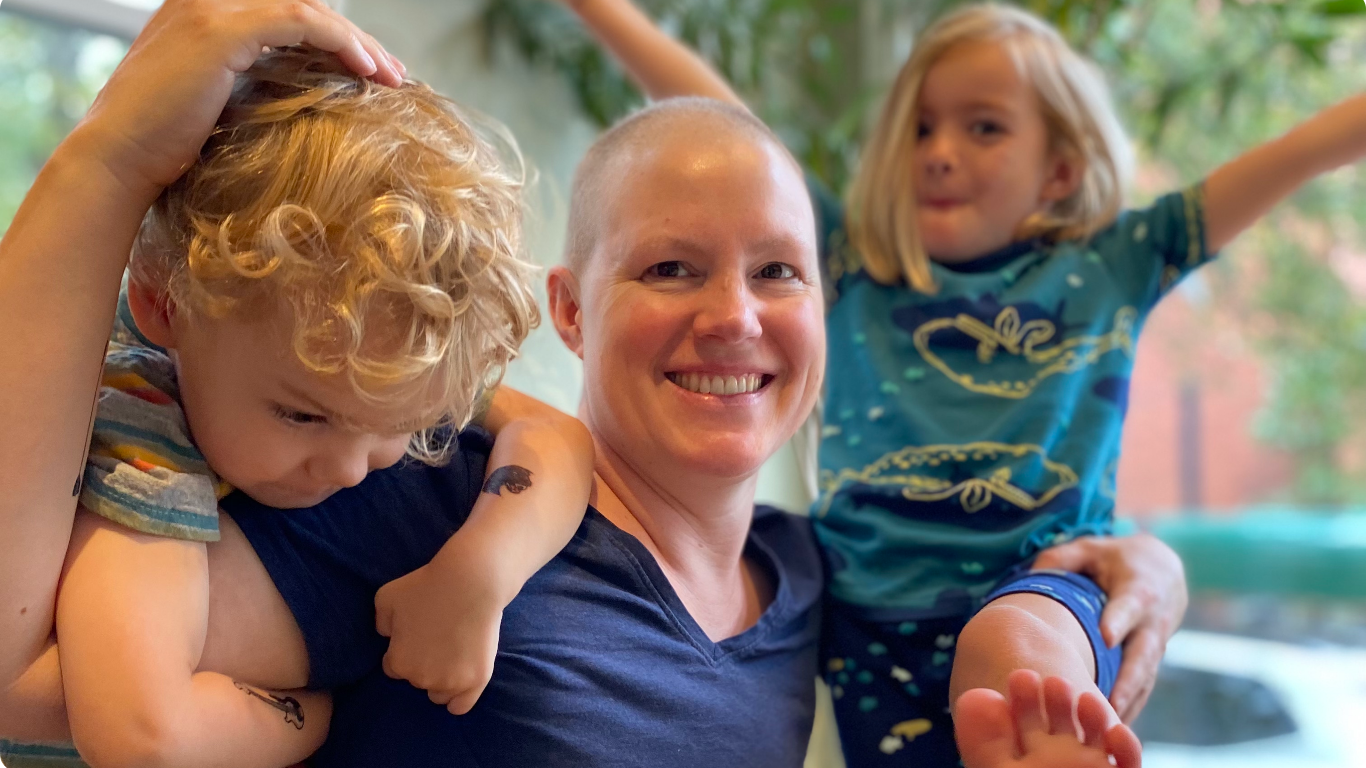
Andrea, a producer, director, and mother of two, received her diagnosis two weeks after finishing a crowdfunding campaign for a documentary she had poured herself into. She had just moved to a new city. Her children were two and four years old. “It was very terrifying, and the timing of it just blew my mind. Knowing that it had spread to my lymph nodes was beyond scary for a few weeks before the scans came through.”
Bipina, a financial adviser and mother, was diagnosed at the peak of COVID-19. She didn’t want to show her fear outwardly, but inside, she was frightened.
Both responses are completely valid. There is no right way to feel after a diagnosis.
Why Parenting Makes It Harder
When you are a parent, the weight doubles. You are carrying your own fear while also trying to protect your kids from theirs.
You might find yourself pretending to be okay when you are not. You might feel guilty for what you cannot do right now. You might lie awake wondering what your kids are picking up on; the tension in the house, the routines that have changed, the conversations they weren’t supposed to hear. You are not failing. You are holding more than one person should have to.
How to Cope With Your Emotions During Cancer
Be Honest About How You Feel
Naming what you feel, even just to yourself, takes away some of its power. Hiding your emotions takes energy you don’t have right now.
You don’t have to tell everyone everything. But finding one person you can be fully honest with. A friend, a family member, or a professional, can be the first step toward feeling less alone. Wanting to protect the people you love is real. So is the cost of carrying everything by yourself.
Build a New Rhythm, Not the Old Normal
People often say to keep life “as normal as possible” after a diagnosis. But normal is gone. The goal isn’t to get back to how things were. It’s to find a new rhythm that works for where you are now.
For Andrea, that meant staying at her parents’ house during treatment and leaning on family to help with her children. For Bipina, it meant building a daily routine around mindfulness and twenty to thirty minutes of movement, even on the hardest days.
“It’s amazing what we can get used to, as the resilient humans we are. My confidence came from being handed a detailed treatment plan.” Andrea
Structure helps. When you know what’s coming, even if it’s hard, you can build your life around it instead of just reacting to it. Ask your healthcare team to walk you through your treatment plan so you can start to find your footing.
Move Your Body, Even a Little
Movement is one of the most underrated tools for emotional health during treatment. It doesn’t have to be intense. A twenty-minute walk, a short stretch, anything that gets you out of your head and into your body counts.
Bipina committed to daily movement throughout her journey. She credits it as one of the things that kept her grounded through five surgeries and chemotherapy. Start small and stay consistent.
Define What Help Actually Looks Like
Well-meaning people will offer help. Not all of it will be useful and some of it will be draining. Both Andrea and Bipina had to figure out what actually helped them, and say so clearly.
What helped: Free childcare and home-cooked meals both provided by Nankind, someone to come to chemo appointments, a listening ear with no agenda.
What didn’t help: unsolicited advice, conversations that spiraled into fear and over Googling.
It’s okay to set boundaries, even with people who love you. It’s okay to say, “this is what I need right now, and this is what I don’t.” You are not being difficult you are protecting your energy.
The Power of Talking to Someone Who Gets It
Your Healthcare Team
Your oncologist, nurse, and social worker are your first line of support. Let them know how you are feeling, not just physically but emotionally. Ask questions and ask clarification when you don’t understand something. They can connect you to psychosocial support resources like Nankind and others you may not know about. Advocating for yourself is one of the most important things you can do.
A Peer Who Has Been There
There is a specific kind of relief that comes from talking to someone who has actually been through a similar journey. Not someone who is trying to help, but someone who truly understands.
Andrea had a friend from high school who had cancer. Having someone who understood what she was going through made a difference that no amount of well-intentioned support from others could replicate. That is not a reflection on the people around her. It is a reflection of what peer connection offers that nothing else can.
Support groups give you experience from people who understand what you are going through.
Nankind’s Psychosocial Support Specialists
Nankind’s psychosocial support specialists are trained to help parents navigate the emotional weight of a diagnosis alongside the specific and often overwhelming challenge of sharing their illness with their children free of charge. If you are not sure how to tell your kids, what words to use, or how to answer their questions, this is exactly what we are here for.
For Andrea, the initial phone calls from Nankind came at her most vulnerable point. They were among the most meaningful parts of her entire journey. “Just knowing I had a loving community that understood what I needed to depend on made all the difference.” Andrea
Practical Tools for Managing Your Emotional Health
Here are some starting points to help you during this journey;
- Name what you are feeling. You do not have to fix it. Just acknowledge it.
- Talk to one person. One honest conversation is enough to start.
- Build a daily structure. Even the smallest routine creates a sense of control.
- Move your body. Twenty minutes makes a real difference to your mood if you are able to.
- Focus on what is in front of you. Not everything at once, what you have one day at a time.
- Define what help looks like. Tell people specifically what you need support with.
- Write it down. Journaling reduces emotional load and helps you see how far you have come.
- Find your people. A peer support group gives you the opportunity to gain from different perspectives and make new friends who understand along the way.
Lessons From Moms Who Have Been There
Andrea and Bipina are on the other side of their cancer journeys. Here is what they want you to know,
- Forgive yourself. Nothing about this is easy, and you can only do what you can. Mom guilt has no true reprieve. But you have to come to the point where you forgive yourself for what you cannot do and feel proud of what you can. You are doing more than you realise.
- Accept help, on your terms. It can be hard to let someone do things differently than you would. Think about when the support is most helpful and when you need time to recover as a family. Defining what you need is not asking too much.
- Do not fear the process. Treatment has come a long way. Trust your medical team. Focus on what is in front of you rather than what you cannot control. Bipina’s advice: do not let Googling become a source of fear. Research selectively and lean on your doctors.
- Invest in your mindset. Fearful thoughts will come. You do not have to follow them. Bipina committed to conscious breathing, positive visualisation, and daily movement throughout her treatment. These were her forms of solace during the hardest days.
- You are going to get through this as a family. Your children are more resilient than you think. They can take a great deal of joy in small moments of showing they care. Let them be part of your journey. Andrea made a book for her children about what cancer meant, using language they could understand, so they felt like they were with her every step of the way. It made all the difference.
You Don’t Have to Do This Alone
A cancer diagnosis is one of the hardest things a person can face. But the emotional weight does not have to be carried alone.
Nankind Psychosocial Support Specialists: Our trained specialists are here to help you completely free, to navigate the emotional weight of a diagnosis and find the right words to talk to your children.
Nankind Mom Support Group: A free weekly virtual group led by a nurse navigator, designed specifically for mothers living with cancer, where you can share, connect, and find people who truly understand.
Learn more about Nankind’s support programs for families facing by cancer