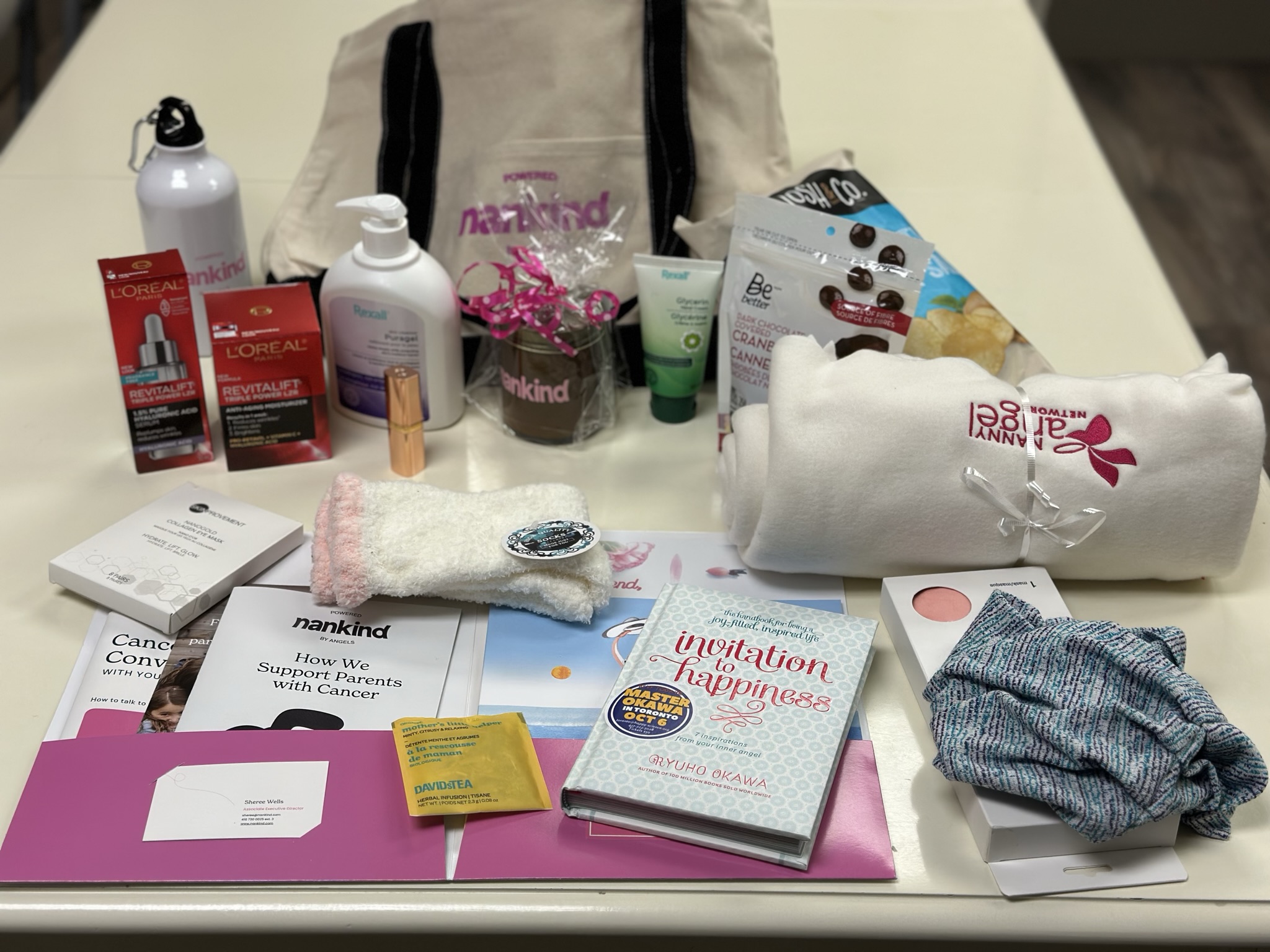
When someone you love is going through cancer treatment, the impulse to do something is one of the most human responses there is. A cancer care package is a way to act on that impulse thoughtfully. It won’t fix anything. It isn’t supposed to. What it does is say: I see you, I’m thinking about you, and I want you to have something tangible to hold onto.
This guide walks you through exactly what to put in a cancer care package.
Comfort Items for a Cancer Care Package
The physical reality of treatment is that your loved one is likely cold, tired, and spending a lot of time in waiting rooms and infusion chairs. Comfort items are practical.
The core of a good cancer care package is soft, unscented, and useful,
- A soft, lightweight blanket – infusion suites are notoriously cold, and having something from home makes a clinical space feel less clinical.
- Grippy socks or warm, non-slip slippers – hospital floors are cold and slippery, and balance can be affected by treatment.
- A beanie or soft knit cap – for hair loss or simply warmth; look for bamboo or cotton blends that won’t scratch sensitive scalps.
- Unscented lotion – skin becomes dry and sensitive during treatment; fragrance can trigger nausea, so unscented is essential.
- Unscented lip balm – dry mouth and cracked lips are common side effects that most people don’t anticipate.
- A sleep mask – rest is critical, and the ability to block light becomes valuable.
- A heat pack – useful for nausea, aches, and cold hands during infusion.
Chemotherapy often heightens smell sensitivity dramatically. A lotion that smelled lovely before treatment can become nauseating during it. When in doubt, leave the fragrance out entirely.
Something to Pass the Time
Treatment days are long, and the kind of concentration they require changes over the course of treatment. Early on, someone might manage a novel. By mid-treatment, a crossword might be more realistic. Build toward low-effort options. Things that work well,
- A puzzle book or crossword collection – low stakes, easy to put down, easy to pick back up.
- An adult colouring book with good pencils or markers – meditative, requires no plot-following.
- Light magazines – something to flip through without needing to remember anything
- An audiobook subscription like Audible, or a curated playlist – good for days when eyes are tired or attention is low.
- A podcast app subscription or a list of recommended shows – comfort listening for the treatment chair and the days at home.
- A small journal and pen – many patients find it helpful to write down how they’re feeling, track symptoms, or keep a log of questions for their care team.
If you know the person well, tailor this section. A person who loves crime dramas will have a different list than someone who finds comfort in cooking shows. The point is low-effort engagement that makes long hours pass.
Practical Support for Hard Days
Some of the most meaningful things you can give aren’t objects. Treatment doesn’t just affect the hours at the clinic, it affects every hour at home. The days when cooking is impossible. The weeks when laundry piles up. The mornings when the kids need to get to school and nobody has the energy. Practical gifts for those days:
- A batch of prepared meals or a meal train organised through friends and family
- Gift cards for food delivery (DoorDash, Uber Eats) or grocery delivery.
- A gas or Uber gift card, treatment appointments often require travel, and that cost adds up quietly.
- An offer to mow the lawn, shovel the driveway, or do a grocery run on a specific day
- Help with the dog like walking, feeding, boarding during hospital stays.
- Childcare during appointments, the mental load of arranging care for children while attending treatment is enormous and underestimated
Katie, a Nankind mom, said it best: “It’s easy to forget the tremendous effort that goes into feeding a family until you are no longer able to do it, and to then have someone step in and take care of them for you, it’s such a blessing.”
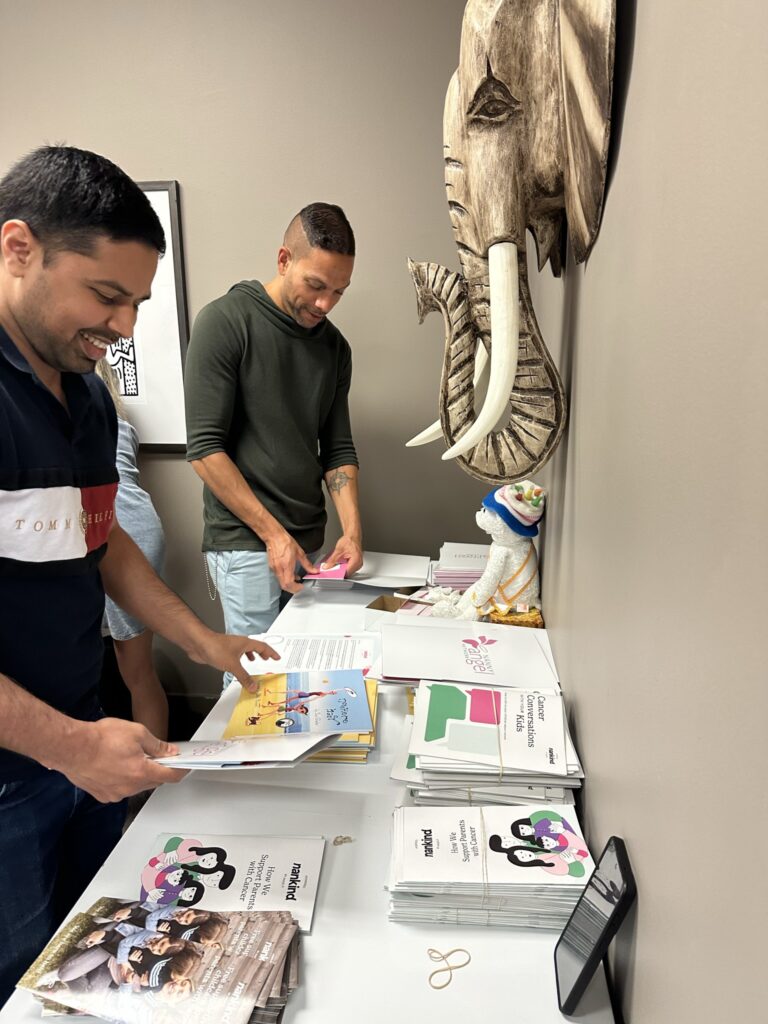
For parents going through treatment, managing childcare around appointments is one of the most persistent and exhausting logistics challenges they face. If you can offer specific, reliable help with children and delivered meals, are some of the greatest gifts you can give. Nankind offers free in-home and virtual childcare and prepared meals delivered right to the door for families navigating a parent’s cancer diagnosis.
Dignity and Feeling Like Yourself
This section is one people often skip over, and it shouldn’t be. Treatment changes bodies in visible ways; hair loss, skin changes, weight fluctuation, and all of these affect how a person sees themselves. The instinct to set self-care aside when you’re unwell is understandable. But small things that help someone feel like themselves again matter far more than they might seem. Good additions to a care package:
- A soft headwrap, turban, or lightweight beanie in a colour they’d actually choose
- A high-quality unscented hand cream or body butter
- A cozy robe or soft pyjama set, something that feels intentional rather than just functional
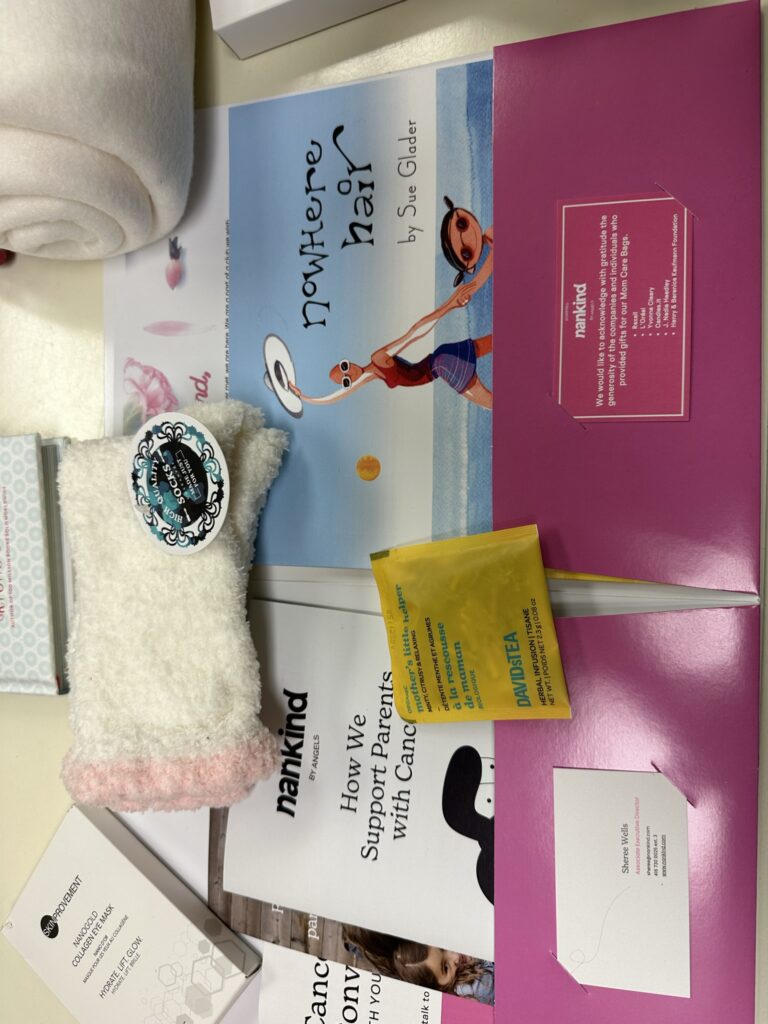
Korshalla, who received a Nankind care package during her treatment, put it this way: “Not only did you provide essential resources, but you also offered a level of care and compassion that has been truly invaluable. Receiving a difficult diagnosis can make the world feel gray and overwhelming, but the warmth and generosity of the Nankind team have been a guiding light.”
Nankind Mom Care Bags around this idea at the peak of COVID-19, when families facing cancer had an extra burden. Each bag was thoughtfully assembled and distributed with items like blankets and scarves, alongside helpful free resources chosen around dignity, comfort, and the very particular experience of being a mother going through cancer.
If you are a family navigating a parent’s cancer diagnosis, find out how Nankind can help.
What to Leave Out of a Cancer Care Package
- Anything strongly scented. This bears repeating. Candles, perfume, scented hand cream, heavily fragranced soaps. Even if these are usually welcome, they can cause real nausea during treatment.
- Supplements, herbal remedies, or “immune-boosting” products. These are well-intentioned, but some supplements interact with chemotherapy in ways that are medically significant. Leave those decisions to the person and their care team.
- Books or resources about healing mindsets, positivity, or dietary cures. Unless they have specifically asked for this kind of thing, it can land as pressure rather than support.
- Anything that requires effort or reciprocity from the recipient. Subscription boxes that need managing, plants that need watering, things that need assembling. You want to reduce their load, not add to it.
- The “hang in there” card. Write something real instead. Even a few sentences that say: I’ve been thinking about you, I don’t know the right words, but I wanted you to know I’m here. That lands differently. That gets kept.
It Is Not About Fixing Anything
A care package is not a cure. Nobody who receives one expects it to be. What it is is evidence that someone thought about them specifically, took time, and showed up in a tangible way.
Always include a handwritten note. Write something true, even if it’s short. Tell them you love them, or that you’re thinking about them, or that you don’t know what to say but you wanted them to have something in their hands from you. That is the most important thing you can give them.
The gift is that you showed up. Another way to show up is by introducing them to a community that understands, one that offers free support for every stage of the cancer journey.