
Thoughtful, practical gift ideas that actually help, and a few things worth skipping
When someone you care about is diagnosed with cancer, you want to do something. That impulse is one of the most human responses there is. The challenge is that most people freeze when it comes to what that something should be. They worry about getting it wrong, about the gift feeling trivial against the weight of the situation, about sending the wrong message.
This guide is for people who want to get it right. Nankind has worked alongside families facing cancer for years and has learned, from the inside, what actually helps and what lands wide of the mark. The short version is that the best gifts are specific, practical, and given more than once. Here is how to think about it.
Before the List: A Mindset Shift
The cultural default for cancer gifts leans toward things that are beautiful rather than useful. Flowers, candles, gift baskets filled with items that look generous but require a certain amount of wellbeing to enjoy. A bath bomb assumes the person can run a bath. A scented candle assumes nausea is not a factor. Most of those assumptions are wrong during active treatment.
The gifts that patients consistently describe as meaningful share a few qualities. They solve a real problem, were clearly thought through and were followed up with more of the same over time.
What Gifts Genuinely Help Someone with Cancer?
Practical comfort for treatment days
Treatment days are long, cold, and physically uncomfortable. The most useful gifts in this category are small, unglamorous things: a soft blanket from home, warm non-slip socks, lip balm, ginger chews for nausea, and soft clothing that doesn’t press on port sites. These are exactly what people wish they had brought and forgot.
If you want the full breakdown of what to include and how to put one together, see our guide to building a cancer care package.
Food and nutrition support
The cognitive and physical load of meal planning, grocery shopping, unpacking, preparing food and cooking during treatment is one of the most underestimated strains cancer places on a household. Nausea changes appetite unpredictably and fatigue makes standing at a stove for thirty minutes feel impossible. Immunocompromise makes grocery shopping feel like a risk calculation.
Prepared meals, food delivery gift cards, or a meal train coordinated through friends and family are among the most practically valuable things you can give. When you organise a meal train, be specific and assign dates, assign dishes, and manage it yourself so the patient never has to coordinate anything.
A cancer patient captured it simply “It’s easy to forget the tremendous effort that goes into feeding a family until you are no longer able to do it, and to then have someone step in and take care of them for you it’s such a blessing.”
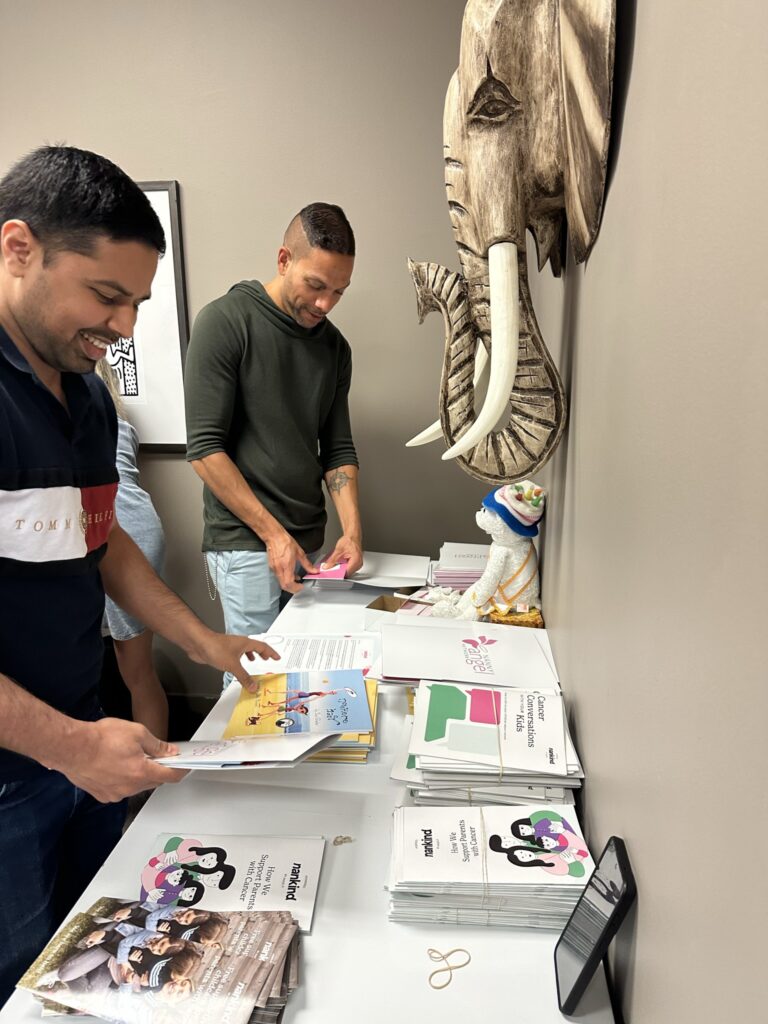
For families where a parent has cancer Nankind’s Meal Support Program takes this further. Nankind partners with local caterers to deliver healthy, prepared meals five nights a week, free of charge, to eligible high-need families who are already in the program. It is not a gift you can order, but it is worth knowing about and sharing. If the person you are buying for is a parent with children at home, telling them about Nankind may be the most useful thing you do.
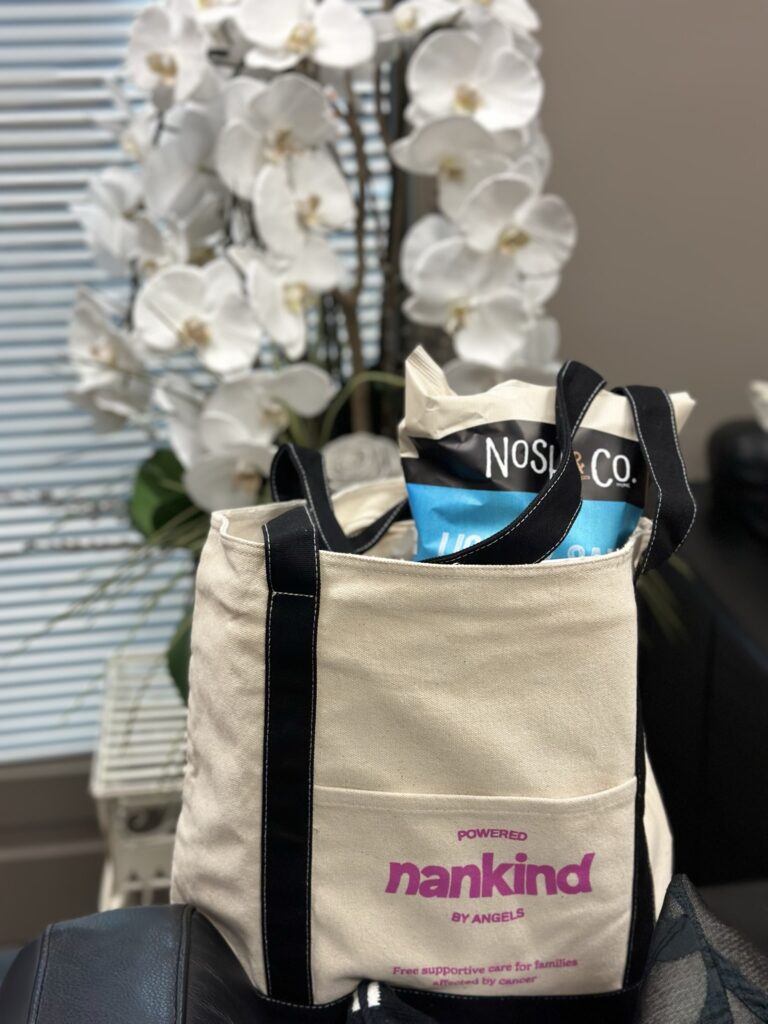
Nankind also created Mom Care Bags at the peak of COVID-19, made specifically for moms facing cancer treatment. Each bag came packed with the things that actually help day to day: a soft blanket, a cozy scarf, a water bottle, mint care products, and practical comfort items chosen for women going through treatment. It was the idea of a gift basket, done with complete understanding of what treatment is actually like.
Time and practical help
The most consistently underused category of gift is specific, practical time. Not “let me know if you need anything” but a concrete offer on a specific day.
- “I’m picking up groceries on Thursday. Send me your list.”
- “I’ll do your school pickup on Wednesdays for the next month.”
- “I’m coming over Saturday to clean. You do not need to prepare anything, let me know what time works.”
A cleaning service for a single day is often more appreciated than people expect. So is help with a lawn, a driveway that needs shovelling, or a pet that needs walking. These are not glamorous gifts. They are the ones people remember for years.
What makes this category work is specificity and follow-through. “Let me know if you need anything” puts the burden of asking back on the person who is already carrying the most. A named day, a named task, and a promise you keep removes that burden entirely.
For Canadians who need to travel to reach treatment, Hope Air provides subsidised flights.
Gifts for their children
This is the category most gift guides miss entirely. A parent’s greatest anxiety during cancer is almost never about themselves but about their children. A gift directed at the children, not the patient, signals that you see the whole family.
Activity kits, art supplies, books, or games for children who are spending more time at home give them something to engage with. A contribution toward a camp or activity program gives them a piece of normal life during a time when nothing feels normal.
Nankind’s Ronda Green Camp Program gives children of parents with cancer the chance to attend summer camp for free, with costs generously subsidised. One Nanking parent with cancer described the moment her son found out he was going, “‘I can’t believe I’m going to camp,’ were his comments while leaving the car.” Another parent watched her daughter come into herself there: “I have seen her embrace a new sport and a new challenge and strive to become better.”
A camp experience is not just a gift to the child. It is a gift to the parent who needed to know their child was experiencing joy during the hardest year of their family’s life.
Gifts that say ‘I am thinking about you’
Sometimes the gift is not an object. It is evidence that someone took the time.
A handwritten letter, not a card with a signature, but something written specifically to this specific person, is one of the most lasting things you can give. A photo book or a shared album of memories. A recurring check-in text, the same day every week, that does not require a response but lets them know you have not forgotten.
“Yesterday someone called me to deliver a package to my door,” one cancer patient described. “It was a very nice person with a Nankind box with the words ‘Nankind with love’. I got so surprised! My kids loved the gifts!” What she was describing was not a costly gesture. It was being remembered, unexpectedly, during a time when it is easy to feel forgotten.
“Experience” gifts for after treatment give people something to look forward to. A dinner reservation, weekend away, spa treatment. These work because they say that I believe you are going to get through this, and I am already planning for what comes after.
What Should You Skip When Buying a Gift for Someone with Cancer?
Strongly scented items. Candles, perfumes, heavily fragranced lotions or soaps. Chemotherapy dramatically heightens smell sensitivity, and scents that were once enjoyable can trigger nausea. Unscented is always safer.
Supplements, herbal remedies, and natural cure recommendations. These come from a place of genuine care. They land as commentary on the person’s treatment choices, and some supplements interact with chemotherapy in clinically significant ways. Leave those decisions entirely to the person and their medical care team.
Books and resources about healing through positivity or mindset. Unless the person has asked for this type of content, receiving it during treatment can feel like pressure to feel differently than they do.
Anything requiring effort or management from the recipient. Subscription boxes with items to sort through, plants that need watering and items that need assembling. The goal is to reduce their load, not add to it.
The generic sympathy card. You can do better, so spend some time to write something real. Even three sentences that say, “I have been thinking about you, I do not know what to say, and I am here.” That is the card people keep.
The most valuable thing that is not a thing
Your time, reliably and repeatedly, is worth more than any single gift. The people who make the deepest difference in a cancer patient’s experience are not the ones who sent the most impressive thing in the first week. They are the ones who were still calling in month four. The ones who kept showing up after everyone else assumed it was handled.
If They Are a Parent with Children at Home
If the person you are buying for is a parent with young children, the most meaningful gift you can give speaks to the thing they worry about most. Not their own comfort, but their children’s wellbeing. Gifts for their kids and help with childcare during appointments. As well as telling them about Nankind.
Nankind provides free in-home Volunteer Angels who visit weekly to support children while parents rest or attend medical appointments. There is a Homework Club, a children’s peer support group, and a meal delivery program, all free, all built specifically for families navigating a parent’s cancer. One parent said it most directly, “People were there sometimes, but Nankind was there all the time.”
If you want to give a parent with cancer a gift they will genuinely remember, tell them that Nankind exists and that support is available.
Frequently Asked Questions
What is a good gift for someone going through chemotherapy? Practical comfort items help most: a soft blanket, warm socks, lip balm, ginger chews for nausea, and unscented products. Avoid strongly scented items, as chemotherapy heightens smell sensitivity.
What should you not give someone with cancer? Skip scented candles or perfumes, supplements or natural remedies, positivity-focused books, and anything that requires effort to maintain, like a plant or a subscription box to sort through. A generic sympathy card is also worth skipping in favour of something written specifically for them.
What is a meaningful gift for a parent with cancer? Gifts that ease the load at home tend to matter most. Help with childcare, meals, or school pickup, or something for their children rather than the parent. Letting them know about free support programs like Nankind can be more valuable than any single object.
Is it better to give one big gift or ongoing support? Ongoing, specific support consistently matters more than a single gesture. A concrete offer on a specific day, or a recurring check-in, tends to be remembered longer than a one-time gift.
What can I do besides sending a gift? Offering specific, practical time, like picking up groceries on a set day, set day to walk their dog or handling school pickup for a month, is often more helpful than an object. Consistency over time is what people describe as making the real difference.
The Gift Is Not the Object
The best care package you can put together will not fix anything, as It is not supposed to. What it does is communicate, in a tangible way, that you thought about this person specifically, that you took time, that you wanted them to have something in their hands from you.
Always include a note and write something from the heart. That is the most important part of the gift.